Adaptogenic Support and Stress Resilience
Chronic stress is one of the most underestimated contributors to blood sugar imbalance and stubborn weight. Ongoing stress places continuous demand on the adrenal system, alters appetite signaling, disrupts sleep, and shifts the body
into a conservation mode that favors fat storage and muscle breakdown. Over time, this stress response can make sustainable weight management feel nearly impossible.
Adaptogenic herbs—long valued in holistic traditions—are often discussed for their role in helping the body adapt to physical and emotional stressors. Rather than stimulating or
sedating, these plants are viewed as allies that support resilience, recovery, and a more balanced stress response.
Herbs used to support stress resilience include:
- Ashwagandha – Traditionally used to support adrenal
balance, nervous system steadiness, and recovery from prolonged stress.
- Rhodiola – Historically associated with physical and mental stamina, particularly during periods of fatigue or high demand.
- Holy Basil (Tulsi) – Valued for its calming yet uplifting qualities and its traditional
association with emotional balance and stress resilience.
- Eleuthero (Siberian Ginseng) – Traditionally used to support endurance, adaptability, and consistent energy levels.
- Schisandra Berry – Long valued for supporting stress adaptation, liver function, and cellular energy
production.
Because stress affects multiple systems simultaneously, herbs that support the nervous system and restorative balance are often included alongside adaptogens:
- Licorice Root – Traditionally used to support adrenal response and stress recovery, especially during
periods of depletion.
- Oatstraw – Valued for its nourishing support of the nervous system and its role in rebuilding after prolonged stress.
- Passionflower – Historically used to support nervous system calm and improved rest quality.
Adaptogenic and nervine herbs are part of a broader foundation—helping the body shift out of chronic stress patterns and back into a state where regulation, repair, and metabolic balance are possible. When stress response improves, blood sugar stability, appetite signaling, and energy regulation often follow.
Traditional Formulas That Reflect a Root-Cause
Approach
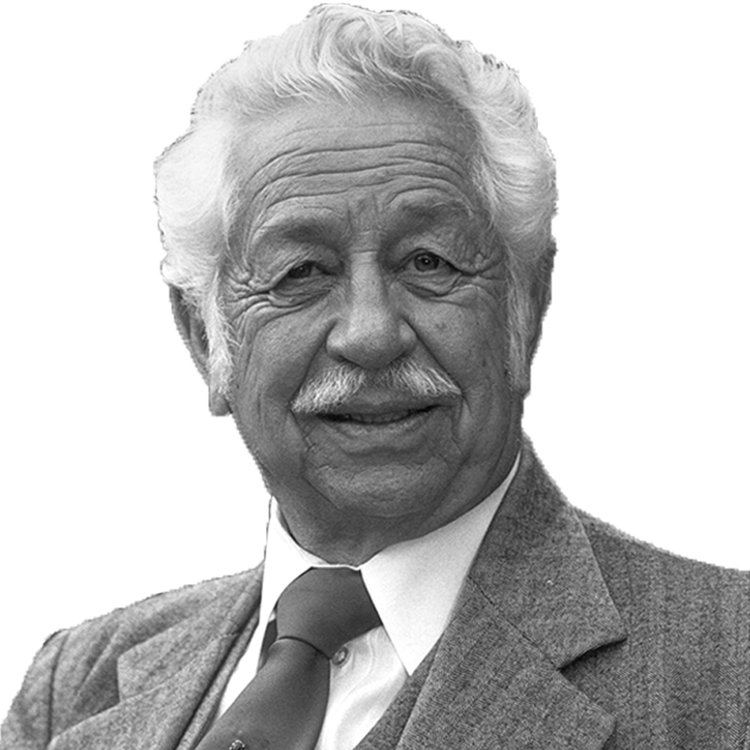
Dr. Christopher’s formulas were developed with a consistent philosophy: strengthen the body’s foundational systems so it can better handle stress, regulate metabolism, and restore balance over time. Rather than targeting weight or appetite in isolation, these formulas were traditionally designed to support the organs and pathways most affected by chronic stress, depletion,
and modern lifestyle demands.
Dr. Christopher’s Adrenal Formula was formulated to support the adrenal glands, which play a central role in the body’s response to stress—whether emotional, mental, or physical. Prolonged stress places heavy demand on adrenal function and can influence fatigue, muscle weakness, blood sugar
regulation, and metabolic efficiency. This formula reflects a restorative approach, supporting the body’s ability to adapt to stress rather than override it.
Closely related is Dr. Christopher’s Pancreas Formula, which was designed to support pancreatic and digestive function as part of a larger metabolic picture. From a
holistic perspective, the pancreas does not operate in isolation; it is influenced by stress load, liver function, circulation, and digestion. This formula reflects a systems-based approach, supporting glandular health, digestion, and metabolic pathways that influence energy regulation and nutrient assimilation.
For individuals navigating weight
challenges, Dr. Christopher also developed formulas that focused on supporting the body during periods of metabolic adjustment. The Metaburn Herbal Weight Formula was designed to support circulation, digestion, and elimination—foundational processes that influence how efficiently the body utilizes nutrients and releases excess weight. Rather than forcing rapid changes, the emphasis was on supporting proper body function during weight-management efforts.
Similarly, Dr. Christopher’s Appetite Formula reflects the belief that appetite signals are often influenced by deeper imbalances. Rather than suppressing hunger, this formula is used to support organs and systems involved in fluid balance, nervous tension, thyroid nourishment, and metabolic regulation. From a holistic viewpoint, when
underlying needs are supported, appetite signals often become more balanced naturally.
Stress and nervous system load are also central to metabolic health, which is why Dr. Christopher’s Nerve Formula is often discussed in this context. Chronic stress can disrupt sleep, appetite signaling, emotional regulation, and energy
balance. This formula was designed to nourish and support the nervous system, helping the body move out of a constant stress response.
Finally, Dr. Christopher’s Lower Bowel Formula highlights an often-overlooked aspect of holistic weight and metabolic health: elimination. Efficient elimination helps reduce internal burden and
supports overall balance. When waste accumulates, the body remains under low-grade stress, which can interfere with adrenal function, mineral balance, and metabolic regulation.
Taken together, these formulas reflect a cohesive, root-cause philosophy. By supporting stress resilience, digestion, elimination, nervous system balance, and glandular
function, the body is better equipped to regulate blood sugar, preserve lean tissue, and maintain a healthy weight—without bypassing its natural signals.
A Restorative Path Forward
The question behind this conversation isn’t really about finding a natural replacement for injections or quick fixes. It’s about whether
the body can be supported in a way that honors its design—by strengthening the systems that regulate metabolism, appetite, stress response, and energy rather than bypassing them.
The goal isn’t to mimic GLP-1 through natural means. It’s to restore the body’s ability to regulate itself, to nourish instead of override, to support instead of
silence.
Weight loss that comes from nourishment, balance, and resilience tends to be slower—but it’s also more sustainable, protective of muscle mass, and aligned with long-term health.
Stephanie Anderson, M.H., CN, HTMA-P, is a Master Herbalist, Certified Holistic Nutritionist, and HTMA Practitioner. She received her Master Herbalist training through the School of Natural Healing and is passionate about helping individuals pursue true, root-cause wellness. She is also the author of Mindset: A Return to Clarity, Calm, and Inner Power and writes at Nature’s Roots & Remedies (www.naturesrootsandremedies.com), where readers can contact her with questions or to inquire about consultations.